
About this historical patient account: The information below describes reported observations from one case. It does not establish treatment efficacy, safety, a causal relationship or an expected outcome. Outcomes vary, and reported improvement does not demonstrate cure. Do not change prescribed medicines or delay established care based on this account.
Intervention context: This account does not establish that the cell, growth-factor or other biological interventions described are approved or effective for this diagnosis. Some may be investigational. A qualified specialist should explain the current evidence, regulatory status, alternatives, uncertainties and risks before any treatment decision.
Case Study: Brain Surgery (Functional Stereotaxy) for Stroke
Minimally Invasive Brain Surgery (Functional Stereotaxy) for Stroke
Patient Information:
Medical Condition before Minimally Invasive Brain Surgery (Functional Stereotaxy) for Stroke:
Treatment Plan:
A multidisciplinary approach was implemented, including:
Medical Condition after Minimally Invasive Brain Surgery for Stroke:
About this historical patient account: The information below describes reported observations from one case. It does not establish treatment efficacy, safety, a causal relationship or an expected outcome. Outcomes vary, and reported improvement does not demonstrate cure. Do not change prescribed medicines or delay established care based on this account.
Intervention context: This account does not establish that the cell, growth-factor or other biological interventions described are approved or effective for this diagnosis. Some may be investigational. A qualified specialist should explain the current evidence, regulatory status, alternatives, uncertainties and risks before any treatment decision.
Case Study: Brain Surgery (Functional Stereotaxy) for Stroke
Minimally Invasive Brain Surgery (Functional Stereotaxy) for Stroke
Patient Information:
History and Initial Presentation:
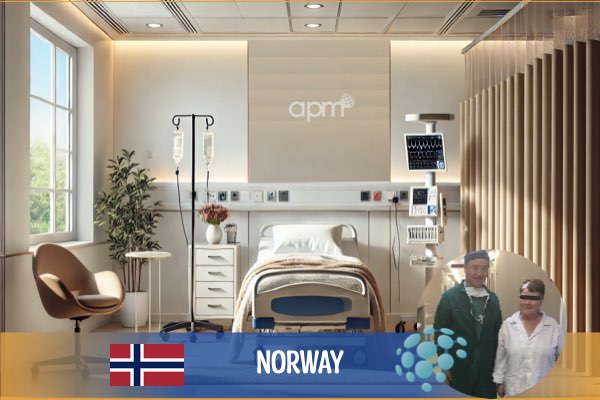
Kitte is a 63-year-old woman who was admitted to Beijing Puhua International Hospital presenting with left-sided limb movement disorders following a right-side basal ganglia cerebral infarction over two years ago.
Medical Condition before Minimally Invasive Brain Surgery:
Treatment Plan:
Upon admission, a multidisciplinary approach was implemented:
Medical Condition after Minimally Invasive Brain Surgery for Stroke:
Post-Discharge:
Kitte recorded a video before discharge to share her positive experience with the minimally invasive brain surgery at Beijing Puhua International Hospital as a personal account, without establishing expected outcomes for others.
About this historical patient account: The information below describes reported observations from one case. It does not establish treatment efficacy, safety, a causal relationship or an expected outcome. Outcomes vary, and reported improvement does not demonstrate cure. Do not change prescribed medicines or delay established care based on this account.
Intervention context: This account does not establish that the cell, growth-factor or other biological interventions described are approved or effective for this diagnosis. Some may be investigational. A qualified specialist should explain the current evidence, regulatory status, alternatives, uncertainties and risks before any treatment decision.
Case Study: Brain Surgery (Functional Stereotaxy) for Stroke
Minimally Invasive Brain Surgery (Functional Stereotaxy) for Stroke
Patient Information:
History and Initial Presentation:
Humoud is a 64-year-old male patient who was admitted to Beijing Puhua International Hospital due to left-side limb movement disorder lasting for approximately ten years. He had been diagnosed with post-stroke sequelae.
Medical Condition before Minimally Invasive Brain Surgery (Functional Stereotaxy) for Stroke:
Treatment Plan:
A multidisciplinary approach was implemented, including:
Medical Condition after Minimally Invasive Brain Surgery for Stroke:
 Scan to connect
Select your language


