
About this historical patient account: The information below describes reported observations from one case. It does not establish treatment efficacy, safety, a causal relationship or an expected outcome. Outcomes vary, and reported improvement does not demonstrate cure. Do not change prescribed medicines or delay established care based on this account.
Intervention context: This account does not establish that the cell, growth-factor or other biological interventions described are approved or effective for this diagnosis. Some may be investigational. A qualified specialist should explain the current evidence, regulatory status, alternatives, uncertainties and risks before any treatment decision.
Case Study: Brain Surgery (Functional Stereotaxy) for Stroke
Comprehensive Stroke Treatment
Patient Information
Diagnosis: Stroke caused by atherosclerosis of the carotid artery with resulting dystonia and motor function impairment.
Treatment:
Malti's Journey:
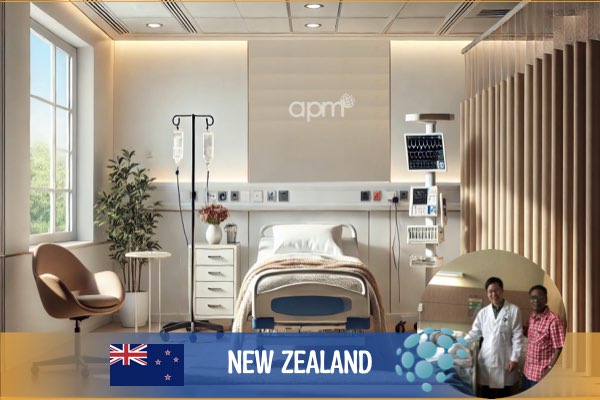
In 2008, Malti Prasad suffered a stroke that left her with difficulty walking and speaking. Her right upper limb muscle strength was near 3/5 distally and 0/5 proximally, while the right lower limb was 4/5. Due to these disabilities, Malti fell into depression.
After thorough evaluation of Malti's medical data and symptoms by BPIH's medical team, a comprehensive treatment protocol was devised:
Stereotactic Brain Procedure (historically described as MIBR) using Remebot technology:
Stem Cell Transplantation:
Physical Therapy:
Traditional Chinese Medicine (TCM):
Treatment Results:
Returning Home:
Malti returned to New Zealand with renewed hope and a smile on her face. We eagerly await updates on her continuous progress.
About this historical patient account: The information below describes reported observations from one case. It does not establish treatment efficacy, safety, a causal relationship or an expected outcome. Outcomes vary, and reported improvement does not demonstrate cure. Do not change prescribed medicines or delay established care based on this account.
Intervention context: This account does not establish that the cell, growth-factor or other biological interventions described are approved or effective for this diagnosis. Some may be investigational. A qualified specialist should explain the current evidence, regulatory status, alternatives, uncertainties and risks before any treatment decision.
Case Study: Brain Surgery (Functional Stereotaxy) for Stroke
Historical Patient Account after Stroke
Patient Information
Diagnosis: Cerebral hemorrhage with post-stroke symptoms (left-sided numbness, neuropathic pain, impaired motor function)
Treatment:
Mark's Journey:
In March 2018, Mark suffered a sudden cerebral hemorrhage at home, leaving him with persistent numbness and neuropathic pain on his left side. His motor function was impaired, making walking challenging and causing anxiety about falling. For eight months, various treatments failed to provide relief or improve his condition.
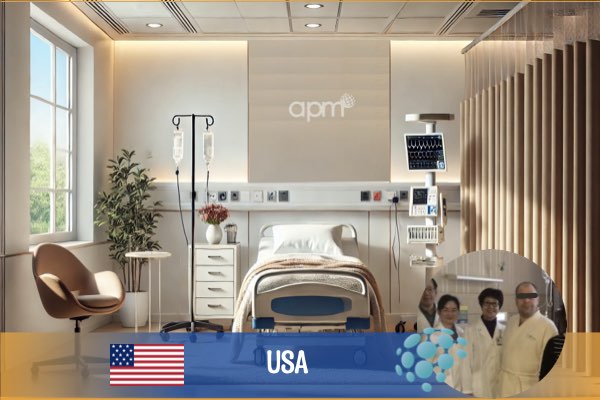
Mark, a dedicated father of two daughters, refused to give up hope. He discovered Beijing Puhua International Hospital (BPIH) offered stereotactic surgery for stroke patients. Mark traveled from San Francisco to BPIH on December 1, 2018, seeking treatment and hoping for recovery.
Treatment at BPIH:
Milestones during Treatment:
Returning Home:
On December 15, Mark returned to the United States with his mother. He planned to adjust his lifestyle and diet to lose weight, manage blood pressure and lipids, and prevent stroke recurrence. He committed to continuing rehabilitation exercises.
Follow-up Plan:
Mark plans to return to BPIH for a follow-up physical examination next summer, aiming for further improvement in his condition and overall well-being. We wish him a speedy recovery and look forward to seeing him again!
About this historical patient account: The information below describes reported observations from one case. It does not establish treatment efficacy, safety, a causal relationship or an expected outcome. Outcomes vary, and reported improvement does not demonstrate cure. Do not change prescribed medicines or delay established care based on this account.
Intervention context: This account does not establish that the cell, growth-factor or other biological interventions described are approved or effective for this diagnosis. Some may be investigational. A qualified specialist should explain the current evidence, regulatory status, alternatives, uncertainties and risks before any treatment decision.
Case Study: Brain Surgery (Functional Stereotaxy) for Stroke
Advanced Treatment for Stroke Patient
Patient Information
Diagnosis: Hemorrhagic stroke
Treatment Plan:
Introduction:
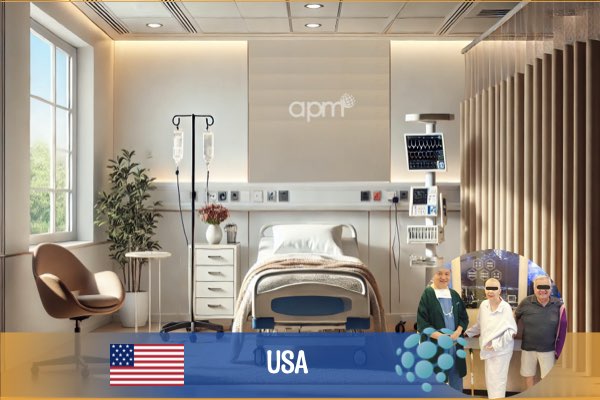
Helen, a close friend of our previous patient Mr. Mark, had heard about his reported progress at Beijing Puhua International Hospital (BPIH). After attending her daughter's wedding, Helen and her husband decided to visit BPIH to address Helen's post-stroke symptoms.
Medical Condition Before Treatment:
Treatment at BPIH:
Medical Condition After Treatment (Pre-Discharge):
Post-Treatment Follow-up:
About this historical patient account: The information below describes reported observations from one case. It does not establish treatment efficacy, safety, a causal relationship or an expected outcome. Outcomes vary, and reported improvement does not demonstrate cure. Do not change prescribed medicines or delay established care based on this account.
Intervention context: This account does not establish that the cell, growth-factor or other biological interventions described are approved or effective for this diagnosis. Some may be investigational. A qualified specialist should explain the current evidence, regulatory status, alternatives, uncertainties and risks before any treatment decision.
Case Study: Brain Surgery (Functional Stereotaxy) for Stroke
Stereotactic Brain Procedure for Stroke Patient
Patient Information
Medical History:
Stroke Diagnosis:
Treatment Plan and Progress:
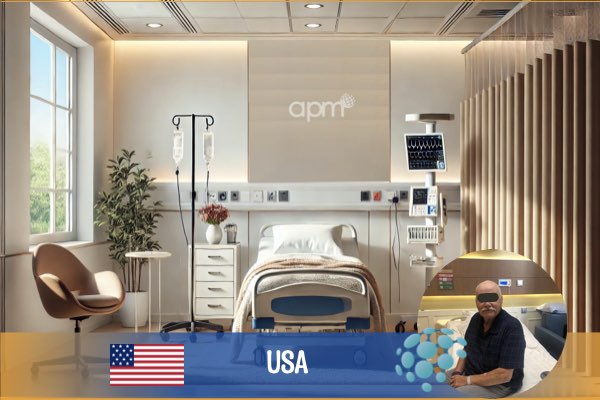
Mr. Smith, a 73-year-old male, suffered a stroke five years ago, which left him with right limb immobility and concern for his wife's care, as she has Alzheimer's disease. Initially treated at his local hospital, Mr. Smith sought further help due to his mobility issues. He traveled to Beijing Puhua Hospital (BPIH) after finding information about stroke care at the hospital.
Examination Findings:
Treatment:
Post-Treatment Progress:
 Scan to connect
Select your language


