General patient information: This overview is not an individual diagnosis or treatment plan. A qualified clinician should assess suitability, potential benefits, risks and alternatives. Treatment availability and regulatory status differ by country and indication.
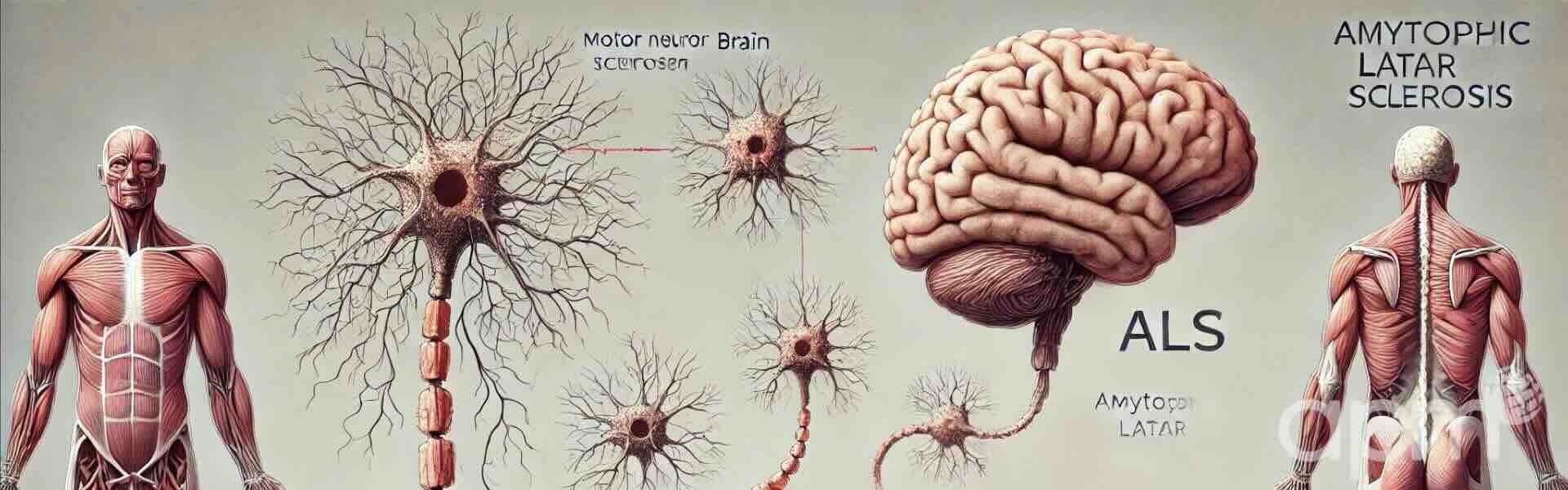
Amyotrophic Lateral Sclerosis (ALS), also known as Lou Gehrig’s disease, is a progressive neurodegenerative disorder that affects the motor neurons responsible for controlling voluntary muscle movements. This condition gradually impairs the brain's ability to initiate and control muscle actions, impacting functions such as speaking, swallowing, and breathing. Most cases occur without a known family history, although inherited genetic changes can play a role.
Symptoms of ALS
ALS symptoms vary widely between individuals, depending on which motor neurons are affected first. Over time, these symptoms worsen, leading to more extensive loss of muscle control. Common symptoms include:
- Muscle Weakness: Initial weakness, often starting in one hand, leg, or limb, and may spread asymmetrically.
- Muscle Cramps and Twitching: Especially in the hands, feet, shoulders, and tongue, which may be early indicators.
- Difficulty Speaking and Swallowing: Slurred speech and difficulties in swallowing (dysphagia) can occur as ALS progresses.
- Loss of Coordination and Mobility: Gradual loss of motor skills, often causing difficulty with daily activities.
- Breathing Complications: As respiratory muscles weaken, breathing becomes increasingly difficult, necessitating medical intervention.
Causes of ALS
ALS has both genetic and environmental factors, though the exact cause remains largely unknown.
-
Genetic Factors: Inherited genetic changes can contribute to ALS. A specialist can discuss whether genetic assessment and counselling are appropriate for the individual and their family.
-
Environmental Triggers: Research suggests certain environmental factors may increase ALS risk, including:
- Toxin Exposure: Possible exposure to certain chemicals or pesticides.
- Heavy Metal Exposure: Particularly in individuals exposed to lead or other toxic metals.
- Military Service: Veterans have a slightly higher risk of developing ALS, though reasons remain unclear.
-
Lifestyle Factors: Smoking, strenuous physical activity, and head trauma may increase susceptibility.
Current Treatment Options
While there is no cure for ALS, several treatment options focus on slowing disease progression, managing symptoms, and improving quality of life.
Medications
- Riluzole: A medicine that can help slow ALS progression. A clinician should assess suitability and explain potential benefits and side effects.
- Edaravone (Radicava): An antioxidant that may slow functional decline in ALS patients by reducing oxidative stress on neurons.
Respiratory Support
- Non-Invasive Ventilation (BiPAP): Helps support breathing, especially during sleep, to improve oxygen levels.
- Tracheostomy and Mechanical Ventilation: For advanced ALS, patients may require more intensive respiratory support.
Physical and Occupational Therapy
- Physical Therapy: Exercises and mobility aids can help ALS patients retain muscle strength and flexibility, improving comfort and mobility.
- Occupational Therapy: Focuses on adaptations to help patients carry out daily tasks and maintain independence as long as possible.
Speech and Swallowing Therapy
- Speech Therapy: For patients experiencing speech difficulties, assistive communication devices may be helpful.
- Swallowing Therapy: Techniques to improve swallowing safety, and in advanced cases, the use of a feeding tube can ensure nutritional needs are met.
Nutritional Support
- Dietary Interventions: A dietitian can help ALS patients maintain weight and nutrition, which is crucial as swallowing becomes more challenging.
Stem Cell Therapy (Emerging)
- Cell-based approaches for ALS are being studied. Research activity does not establish clinical effectiveness, safety or approval for a particular product and indication. Discuss the current evidence and regulatory status with a qualified specialist; investigational interventions should not replace established care.
Discussing care with a qualified clinical team
Care options depend on the individual’s condition and assessment by a qualified clinical team. Any investigational intervention requires separate assessment of evidence, risks and regulatory status. Care discussions may include:
-
Medication Management
- A clinician may discuss medicines such as Riluzole and Edaravone, to manage symptoms and potentially slow disease progression.
-
Advanced Rehabilitation Programs
- Comprehensive physical, occupational, and speech therapy to help manage symptoms, enhance mobility, and improve quality of life.
- Techniques and support for speech and swallowing to maintain communication and nutritional intake.
-
Respiratory Support
- Non-invasive ventilation options like BiPAP to support breathing and improve sleep quality.
- Advanced respiratory care for patients requiring mechanical ventilation.
-
Nutritional and Dietary Support
- Customized dietary plans to optimize nutrition, with support for feeding tube placement when necessary.
-
Traditional Chinese Medicine (TCM) Integration
- Any complementary approach, including acupuncture or herbal products, requires discussion with the treating clinician about the evidence, risks and possible interactions. It should not replace established ALS care.
Outlook for ALS Patients
ALS remains a challenging condition without a cure, but significant strides have been made in understanding and managing the disease. Care should focus on individualized symptom management, support and informed decisions. Research findings require careful evaluation before they can guide treatment; they do not guarantee an individual outcome.
Further patient information
These independent resources provide general patient information. They do not verify any individual case report or endorse a particular provider or treatment service.

 Scan to connect


