
General patient information: This overview is not an individual diagnosis or treatment plan. A qualified clinician should assess suitability, potential benefits, risks and alternatives. Treatment availability and regulatory status differ by country and indication.
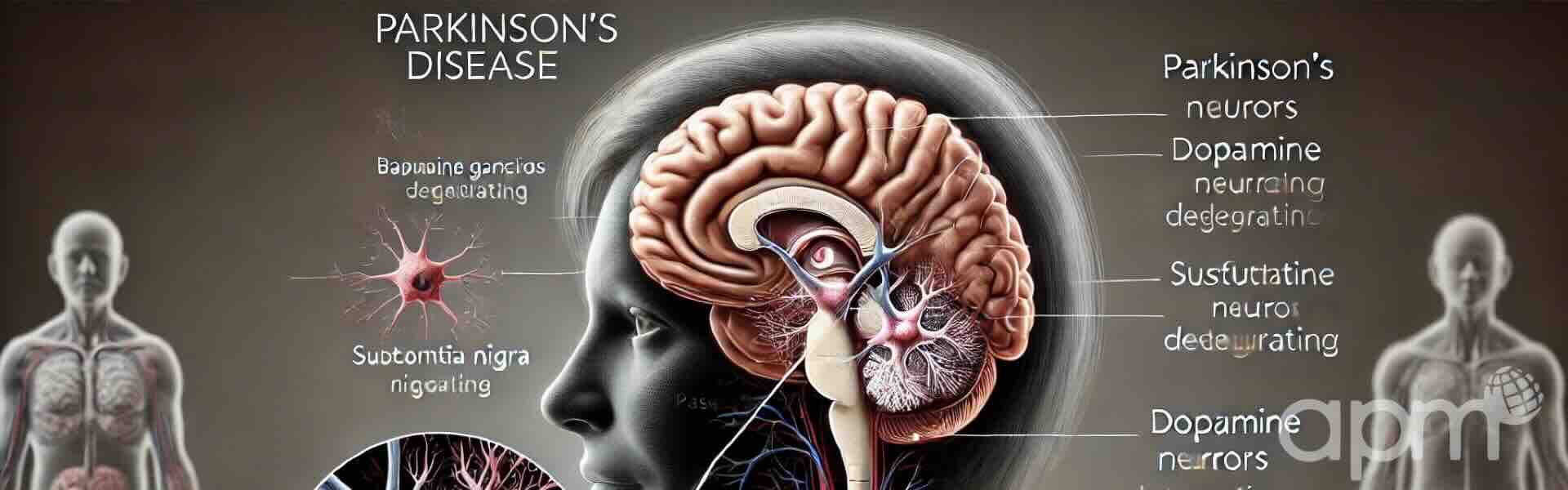
Parkinson's Disease (PD) is a progressive neurodegenerative disorder characterized by the degeneration of dopamine-producing neurons in the brain. This condition leads to a variety of motor and non-motor symptoms that can significantly impact the quality of life for those affected. Understanding the underlying mechanisms, symptoms, and treatment options is essential for effectively managing this condition.
The symptoms of Parkinson's Disease can be broadly categorized into motor and non-motor symptoms:
While there is no cure for Parkinson's Disease, various treatment options can help manage symptoms and improve quality of life, including:
A variety of medications are available to treat motor symptoms, such as:
A qualified clinical team can discuss options according to the person’s symptoms, goals and medical history. These may include:
Medications: A treating clinician can assess medication options, potential benefits, side effects and interactions. Suitability varies; medicines should not be started, stopped or changed based on this overview.
Surgical Treatments: A specialist may discuss procedures such as deep brain stimulation (DBS) or focused ultrasound for selected symptoms and patients. They are not suitable for everyone and do not cure Parkinson’s disease. Current eligibility, risks, alternatives and local availability need individual assessment.
Rehabilitation and Supportive Care: Physical therapy, occupational therapy and speech therapy may be considered according to individual needs. Any complementary approach, including TCM, requires discussion of the evidence, risks and possible interactions and should not replace prescribed treatment.
These independent resources provide general patient information. They do not verify any individual case report or endorse a particular provider or treatment service.
 Scan to connect
Select your language


